
Pushing beyond military specifications.
"MIL-SPEC" often gets tossed around as more of a marketing buzzword than a legitimate standard. We use military specifications as a starting baseline, then push our products past them. Every case, mount, and cable is tested before it reaches the field.
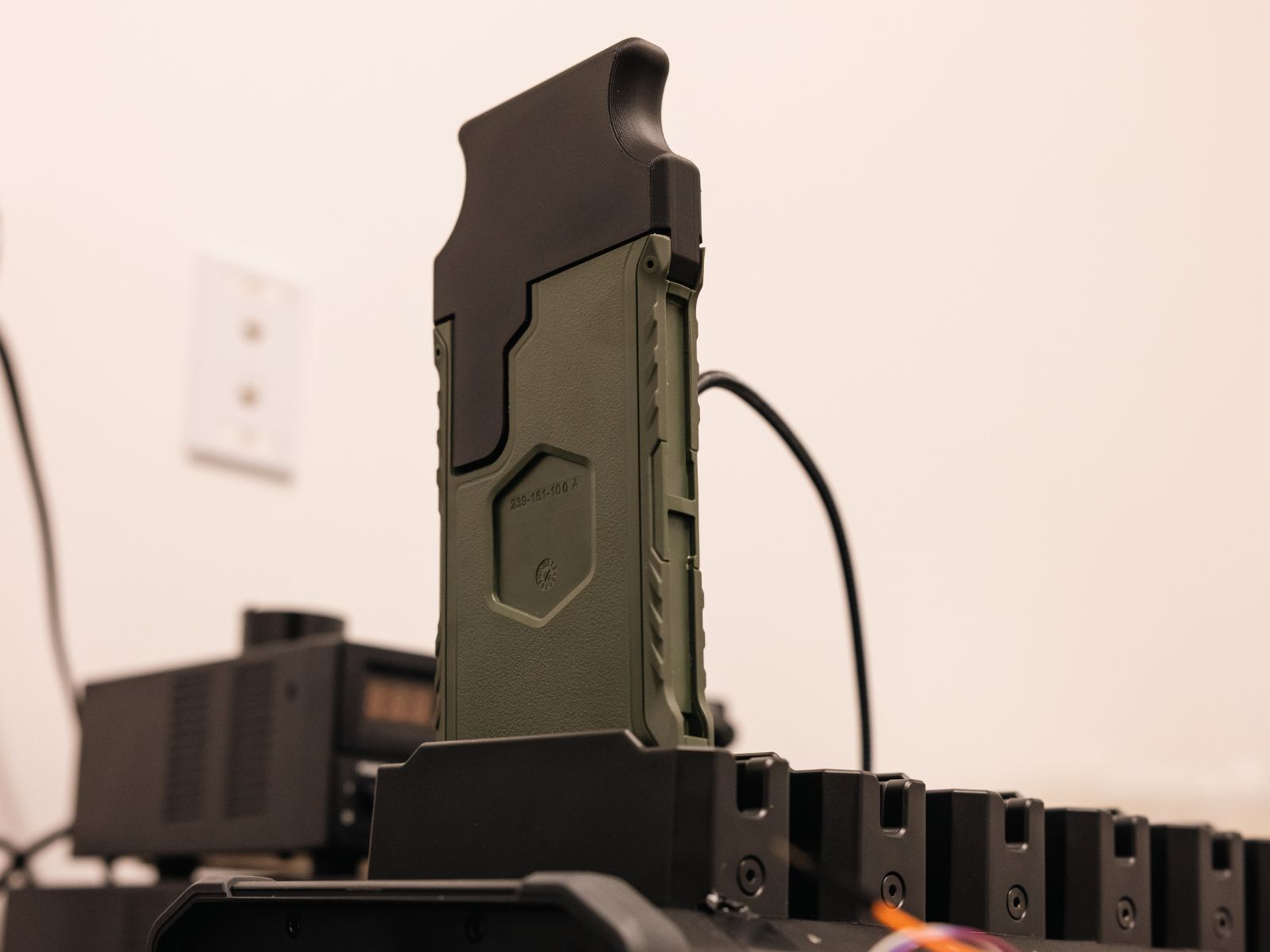
Baseline the standard. Then go past it.
Most rugged products meet a written test spec on paper. We use MIL-STD-810G, MIL-STD-810H, and MIL-STD-202 as the starting line, then push beyond them. Where the spec allows the test to be split across multiple devices, we test on one. Where the spec calls for four feet, we go higher.
We do this because combat is unforgiving, and devices don't get a second chance in the field.
MIL-STD-810H allows the 26-drop sequence to be divided across up to five test devices. We don't count a case as a pass until the same device survives the full drop sequence.
The specs we use as a starting line.
MIL-STD-810G
Environmental engineering baseline and rugged drop testing
MIL-STD-810H
Updated environmental and transport testing baseline
MIL-STD-810H 516.8
Logistic Transit, Tactical Transport, and Severe Tactical Transport
MIL-STD-202
Component-level mechanical and environmental test baseline
MIL-STD-461
EMI / EMC shielding baseline for select cable configurations
MIL-STD-461 RS103 / RE102
Radiated susceptibility and radiated emissions testing
Drop, tumble, immersion.
A look at the test bench. The cases in this footage are pulled from production, not built for the camera.
A purpose-built facility for environmental testing.
A fully equipped on-site facility helps surface issues in our lab, before they reach the battlefield.
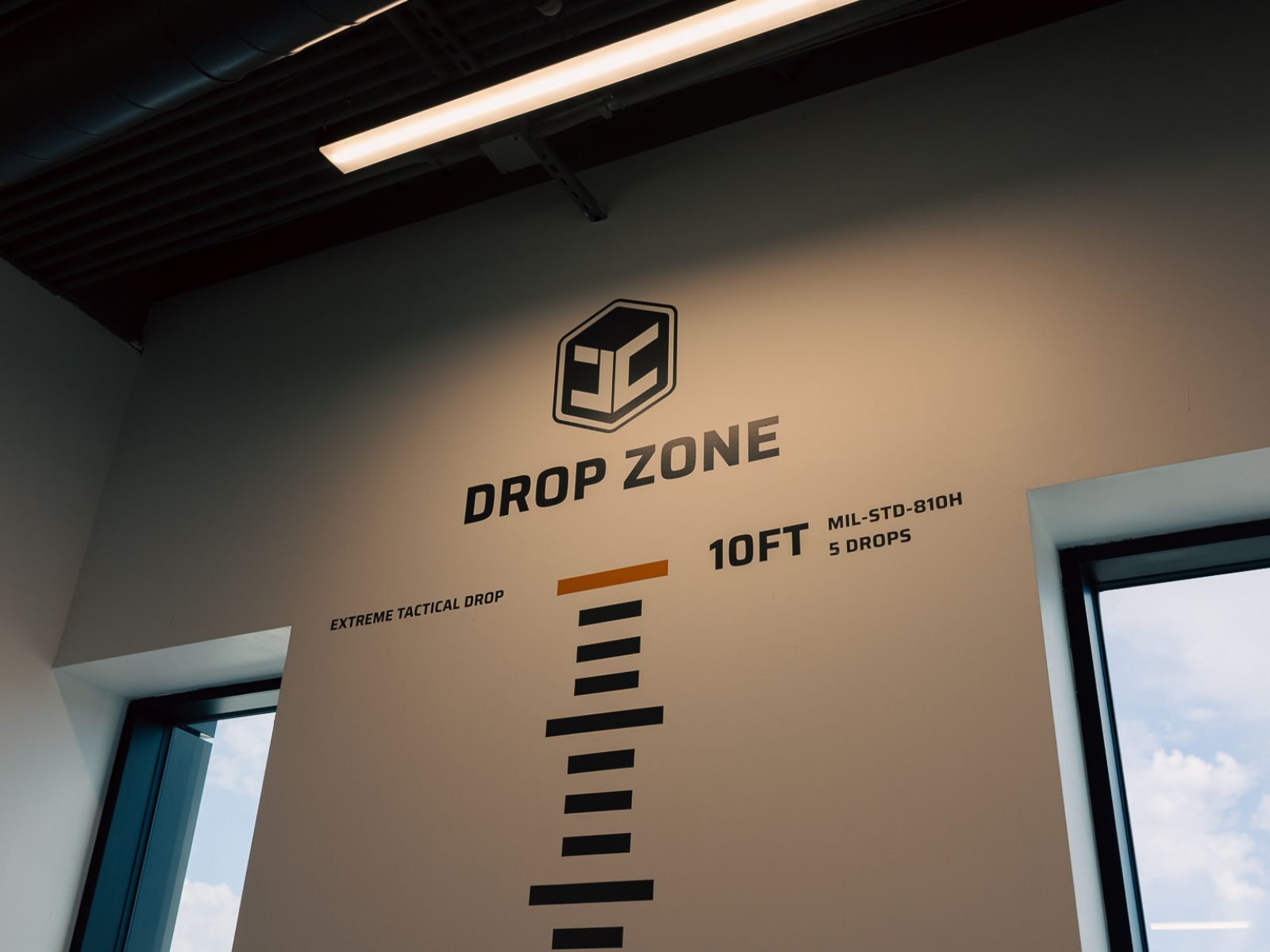
Drop Test Studio
Repeatable 4 ft to 10 ft drops onto steel.
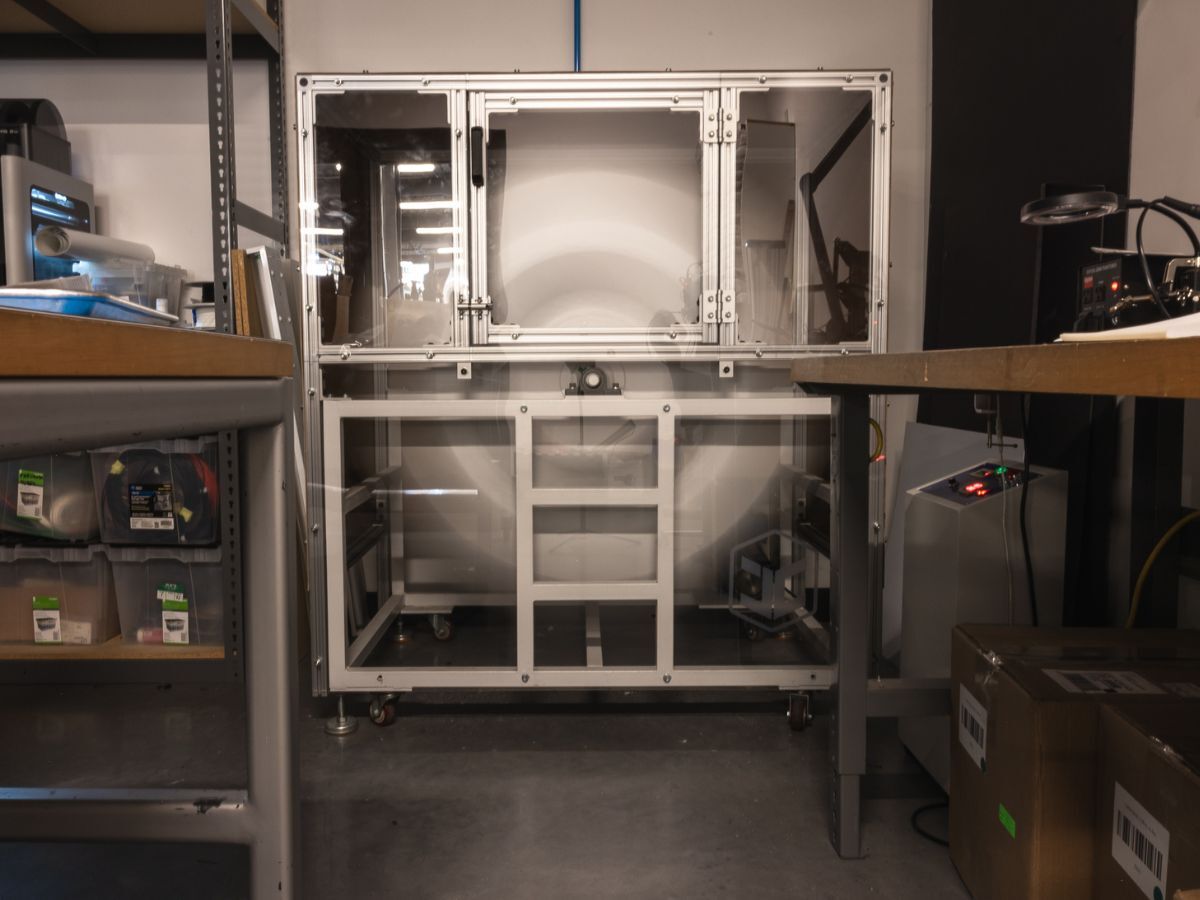
Tumble Tester
Random impact and vibration in a steel cage at controlled RPM.
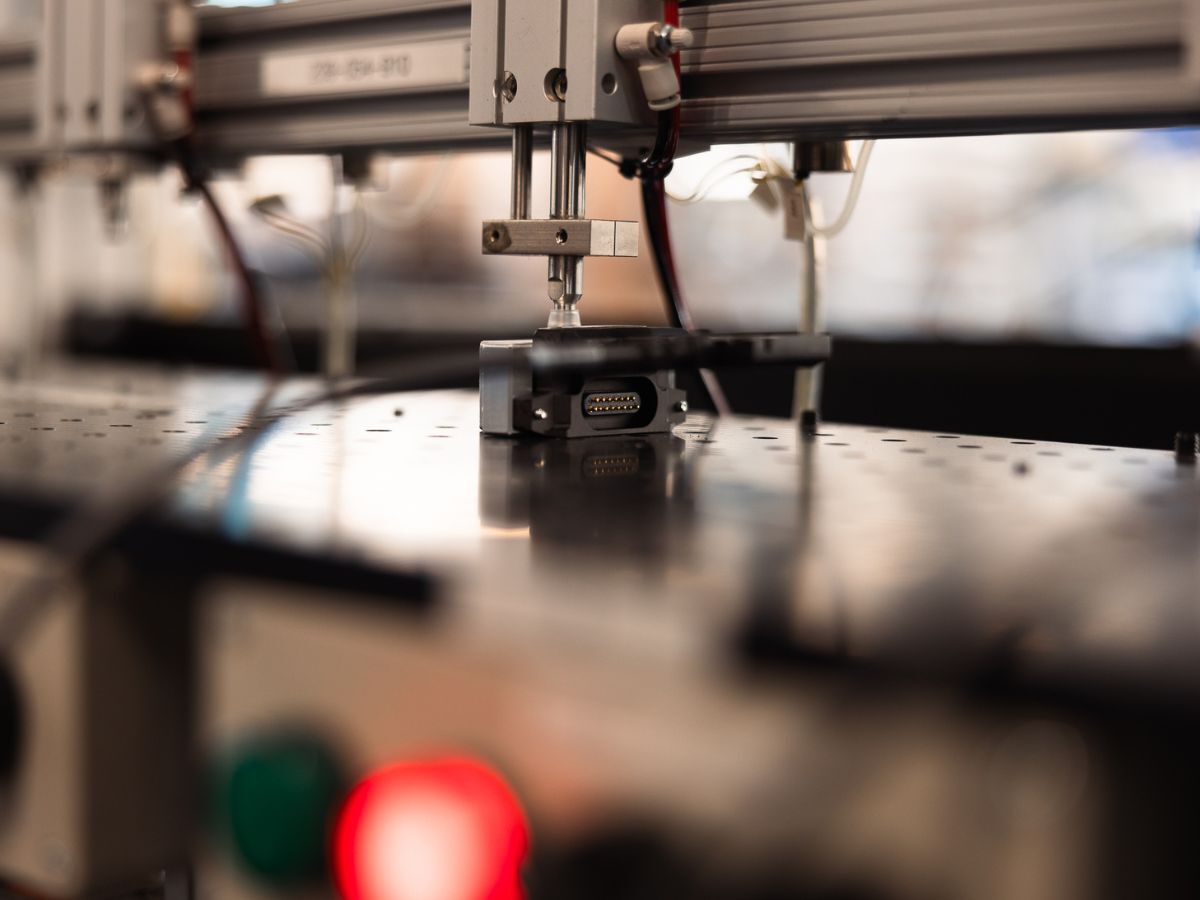
Pressure & Vacuum
Validates sealing performance under altitude and pressure changes.
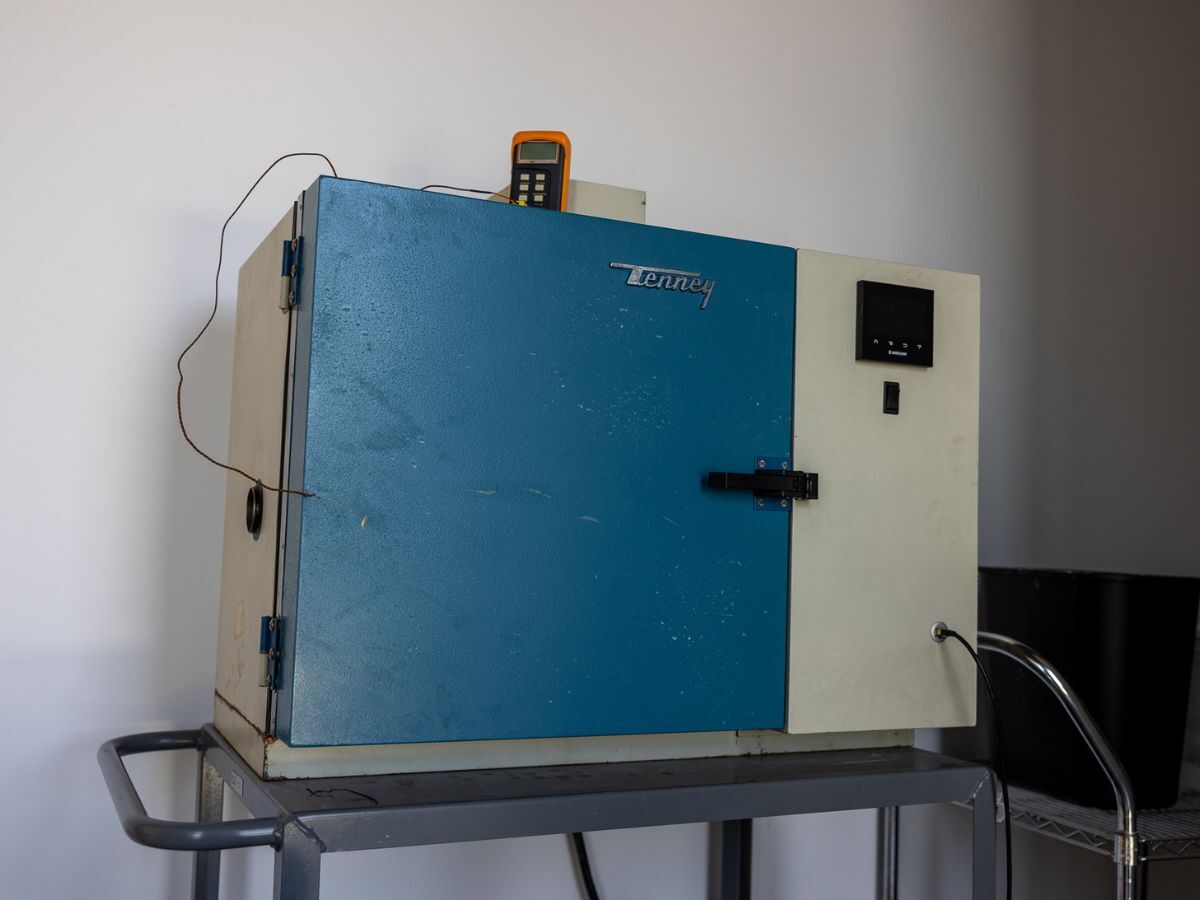
Thermal Chamber
High and low temperature soak and shock for full assembly validation.
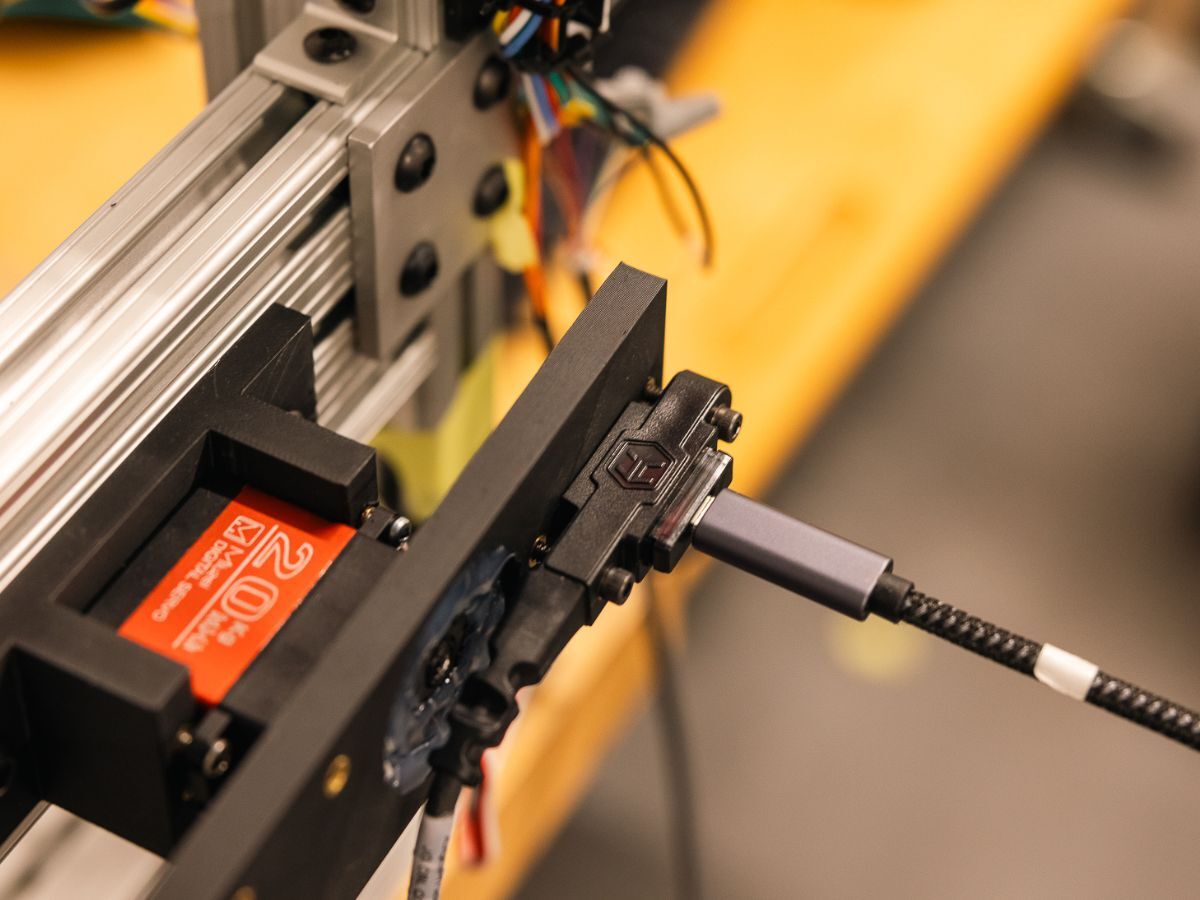
Cycle Tester
Repeated mount engagement, hinge cycles, and connector cycles.
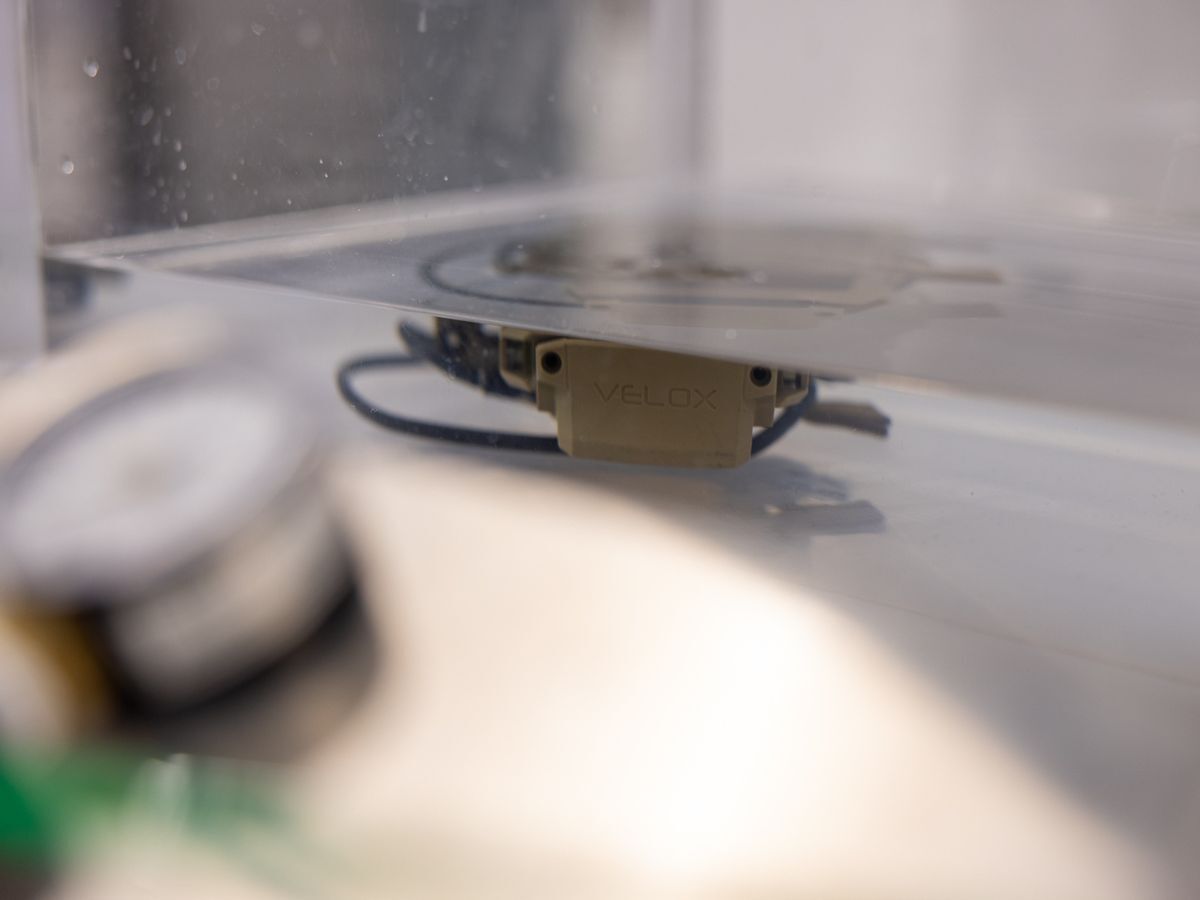
Immersion Tank
IP67 immersion testing on cases and sealed connectors.
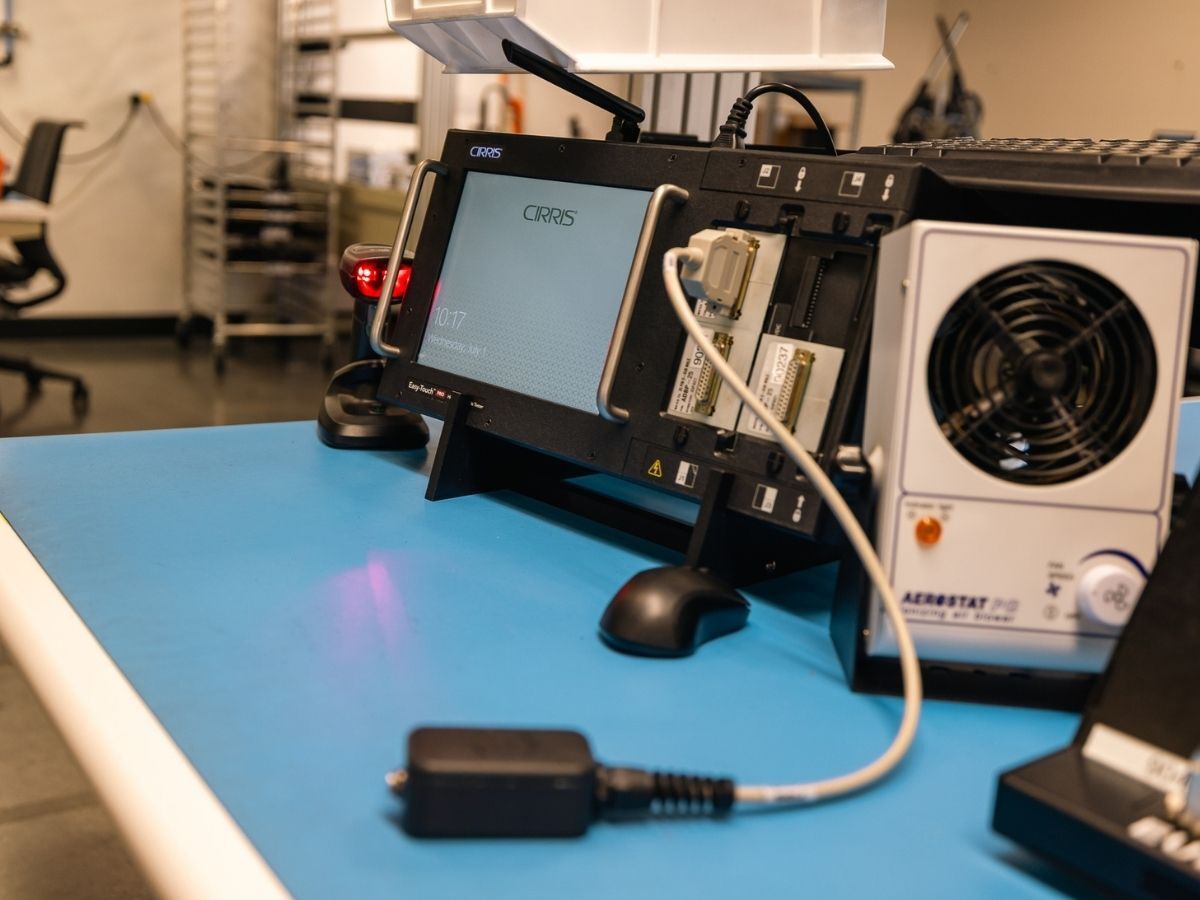
Continuity & Hipot
Every cable is inspected for continuity. Hipot testing is available for specific projects.
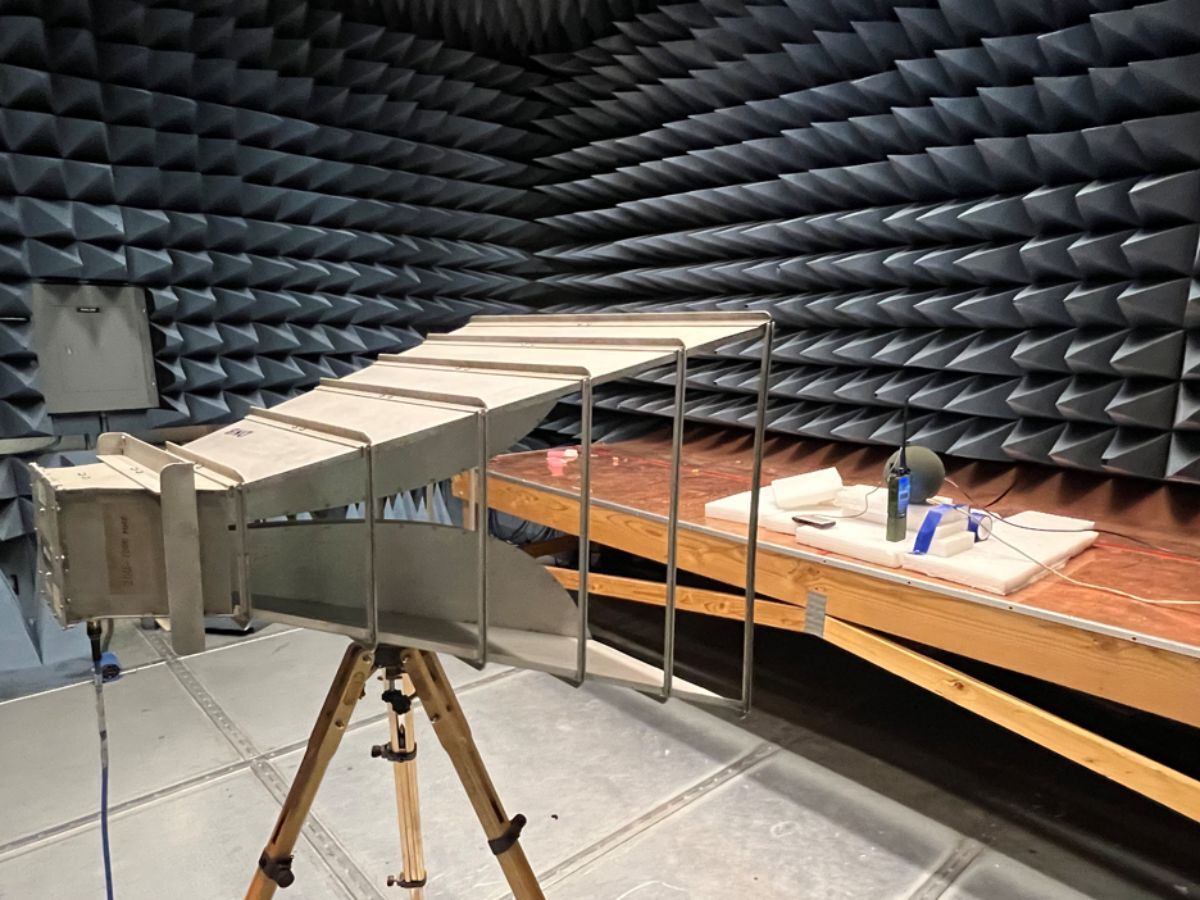 Testing conducted off site
EMI Shielding
MIL-STD-461 RS103 / RE102 testing on configurable cable solutions.
What we test, by product.
Each product line goes through targeted testing based on how it is actually used in the field.
Drop & Sealing
Drop testing is performed on a single device, not distributed across multiple units. ADVNTR and ENFRCR include an IP54-rated port cover. OPRTR ships with an IP67-rated QD-Door. These cases are tested to meet the applicable sealing standard.
- 4 ft drops onto steel
- Tactical transport from 5 ft on steel
- Severe tactical transport from 10 ft
- 45-minute random tumble
Retention & Cycle
Each mount is tuned for a specific release force based on use case. Hinges and mount teeth are both cycle tested for long-term field operation.
- Use-case specific release forces
- Cycle tested hinges and mount teeth
- Sand, dust, water, and chemical exposure
- Thermal shock from 120°F to -40°F
Sealing & EMI
USB-C cables are sealed at the case for IP67 performance. Configurable cable solutions are tested for connection quality, shielding, and field durability.
- IP67 sealed connector at the case
- Vacuum tested QD cables
- Continuity inspected before shipment
- End-to-end EMI shielding